
American Socrates
The Liberally Conscious and Elite Men’s Soccer Player is Extinct
Being politically active has sucked most of my writing will and energy - ironic considering my activity is within DSA - but the reaction to Christian Pulisic, et al. celebration has given me an excuse.
The gist is that after scoring the opening goal in the USA’s 4-2 win against Jamaica Monday night, Pulisic did his version of the meme as a celebration with a couple of teammates joining him. Asked about it after the match, Pulisic said his dance was not a public endorsement and was just a mimicry of celebrations seen in the NFL and UFC. This was not a satisfactory explanation in the eyes of the fans and followers who find any aspect of Trump memeable, acceptable, or cause for celebration by a player representing the United States.
In a sense their outrage is justified because instead of the brave acts of defiance that forced sporting institutions to open greater space for athletes to advance socially progressive causes, we are watching TikTok dances.
Where the reasoning falls apart is that modern elite men’s soccer is simply incapable of producing a Megan Rapinoe or Colin Kaepernick.
Pulisic, like the majority of his national team teammates, did not spend any time in college and most made their full national team debuts before the age of 20. Their rapid ascent follows the norm for the elite men’s soccer players in wealthy countries - specialized academies in their early teens, professional contracts, and a full first team experience either within their club or on loan elsewhere.
The data from the most recent presidential elections shows that a clear majority of those with a four-year-college degree vote liberal and a clear majority of those without it vote conservative. While conservatives try every measure to minimize the former, the actual root of liberal persuasion comes from college’s peer-to-peer socializing experience. Rapinoe - a sociology major at the University of Portland and Kaepernick - a business major with a 4.0 GPA at the University of Nevada, both spent the whole four years in college.
By contrast, only three of the 25 players on the most recent USMNT did.
Professional men’s soccer’s expansion into the youth ranks in the United States continues and with it, comes greater professional opportunities for more teenaged hopefuls. All of whom will train two-three times a day, receive their treatment, study their specialized tactics for ten months a year to pursue one of eleven spots on a starting lineup. This simple complex of elite production is how professional clubs replenish themselves without having to pay exorbitant transfer fees and contracts, but it is designed to produce midfielders and center backs, not sociologists.
This complex is not going to go away now that the powers of global soccer are taking an even greater interest in the American market. With this tantalizing selling point, domestic youth soccer clubs extract greater time and financial commitments from parents at the cost of the educational and socializing experiences we know as high school. This is the tradeoff we collectively decided to make in favor of growing the presence of professional leagues in youth soccer.
The end result: Our best-ever player has a meme-level comprehension of national politics and a detachment from its impacts on the citizens of the country he represents.
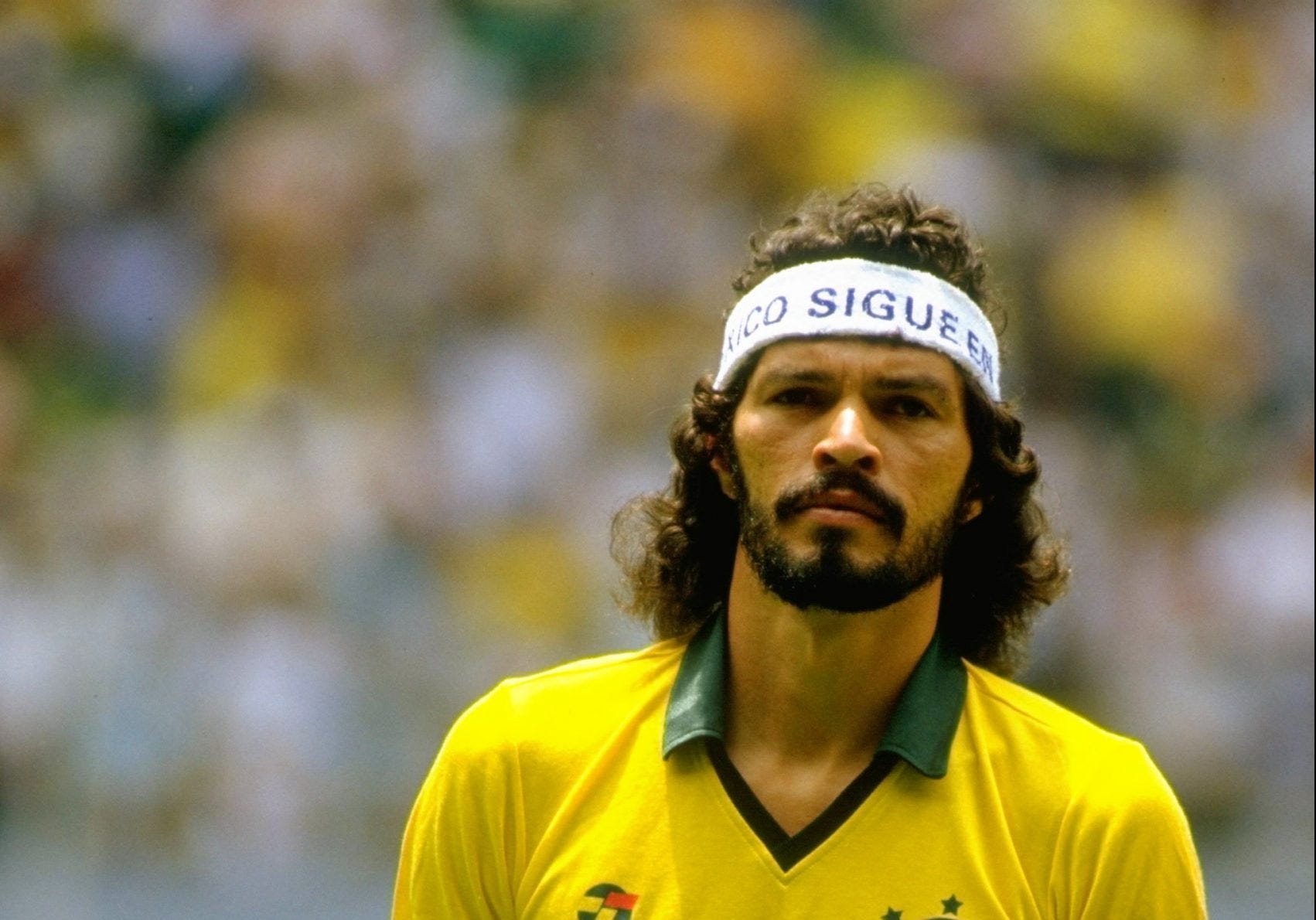
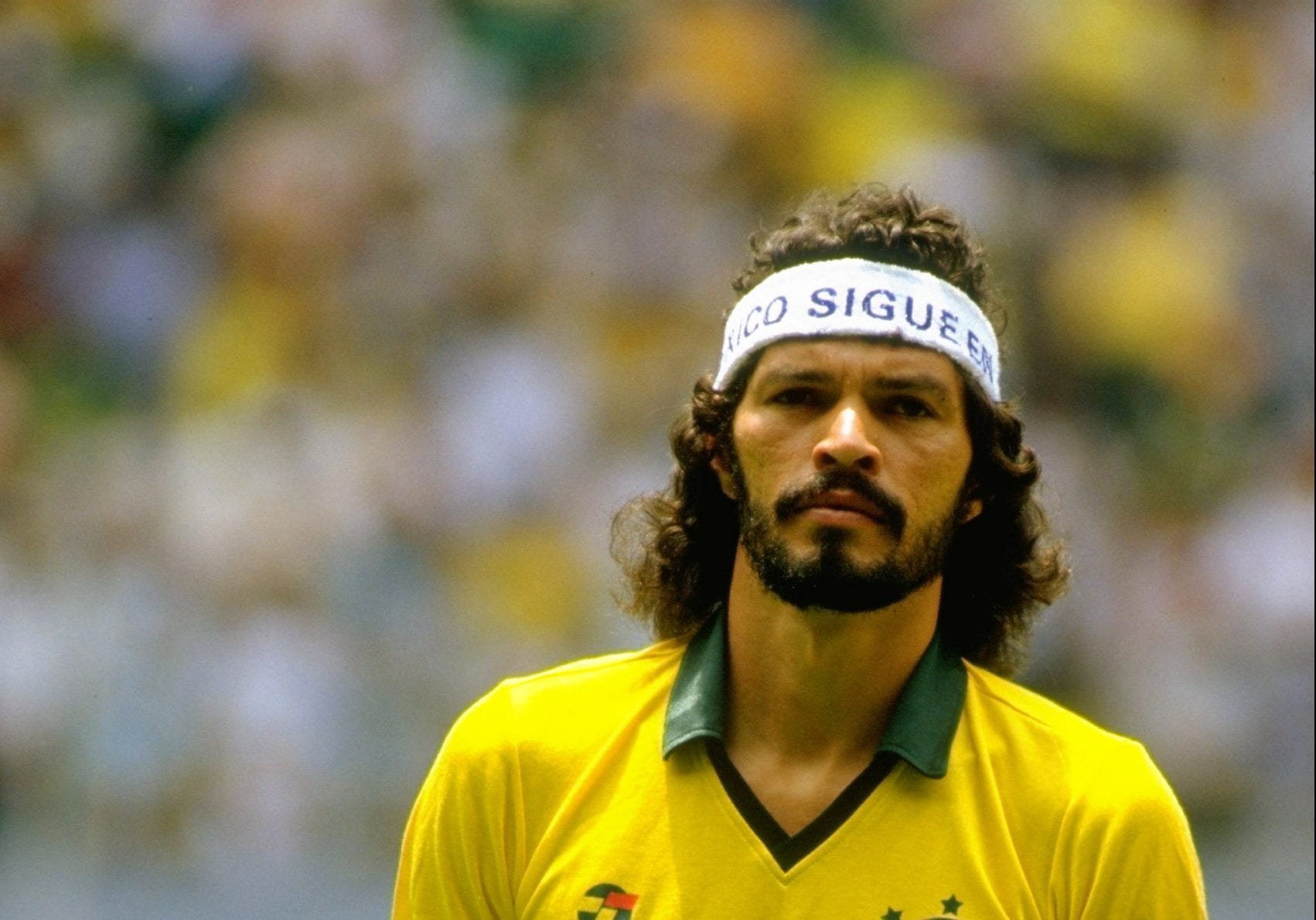
Our own Socrates.
.